In recent years, a quiet culinary revolution has been simmering in alleyways, food trucks, and night markets around the globe. Street food, once seen as a cheap and convenient option for the working class, is now giving serious competition to luxury dining establishments. With changing consumer preferences, a demand for authenticity, and evolving food cultures, the humble street stall is emerging as a formidable rival to white-tablecloth restaurants.
The Rise of Street Food Culture
Street food has always been a vital part of urban life in many countries. From Bangkok’s sizzling Pad Thai stalls to Mexico City’s bustling taco stands, these vendors have long served up flavorful, accessible meals at a fraction of the price of traditional restaurants. However, what was once considered lowbrow cuisine is now being rebranded as authentic, artisanal, and even gourmet.
Television shows like Street Food (Netflix) and the growing popularity of food bloggers and influencers have shone a spotlight on street vendors, turning them into local celebrities. This media attention, coupled with increased travel and cultural exchange, has helped break down the snobbery around street food and elevated it to global foodie fame.
What Makes Street Food a Threat to Luxury Dining?
Authenticity Over Ambience
In an era where customers are more interested in real stories and honest cooking than chandeliers and wine lists, street food offers something luxury dining often cannot: unfiltered authenticity. Diners are now looking for experiences that connect them to a place and its culture, and what better way to do that than by eating with the locals?Affordability Without Compromising Flavor
While a tasting menu at a Michelin-starred restaurant may cost hundreds of dollars, a street vendor can deliver an equally memorable meal for under $10. This affordability makes street food more inclusive and accessible, appealing to a broader demographic, including younger foodies and travelers.Innovation and Agility
Street vendors are constantly adapting — experimenting with fusion flavors, seasonal ingredients, or viral food trends. Their ability to quickly pivot and try new things gives them an edge over traditional restaurants, which often face logistical and branding constraints.Cultural Capital
There is increasing appreciation for indigenous, traditional, and hyper-local food practices. Street food vendors often cook using family recipes passed down through generations — recipes you won’t find in any luxury restaurant. As culinary tourism grows, this cultural capital becomes a significant draw.
The Hybrid Model: Where Street Meets Chic
Interestingly, luxury restaurants are beginning to take cues from the street. High-end chefs are incorporating street food elements into their menus — think gourmet tacos with truffle oil or deconstructed samosas served with edible flowers. Pop-up restaurants and food trucks operated by Michelin-starred chefs have become trendy, blurring the lines between street and fine dining.
At the same time, many street vendors are upgrading — from food carts to full-fledged casual dining spaces, often without compromising the essence of their offerings. Some have even earned Michelin Bib Gourmand awards or stars, proving that excellence doesn’t need extravagance.
What the Future Looks Like
The competition between street food and luxury dining is not a zero-sum game. Rather than replacing each other, both are pushing the culinary world to be more inclusive, experimental, and grounded in storytelling. As consumers continue to seek both value and experience, street food will likely continue its rise — not just as an alternative to fine dining, but as an equal, if not superior, culinary force.
Whether you're sipping aged wine in a fine-dining restaurant or devouring skewers under a neon-lit night sky, one thing is certain: great food no longer needs a silver spoon to make an impact.



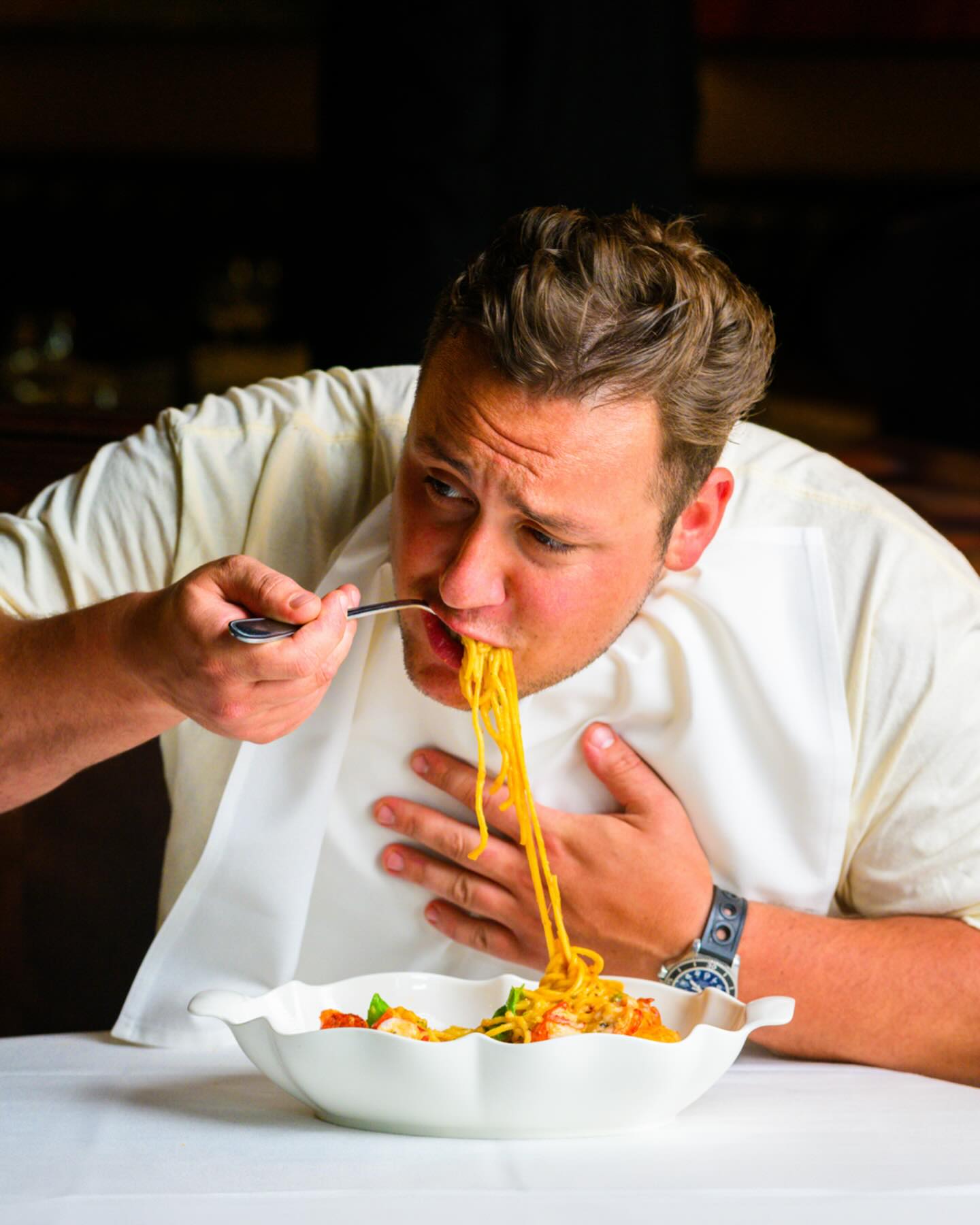
All you can eat/Buffet | Chinese | Comfort Food | French | Italian | Indian | Seafood | Grill
ACR Luxury Restaurant & Tipsy Rooftop — multi-cuisine dining and open-air lounge with skyline views.