Carpooling, EVs and Metro: How Fuel-Saving Policies Are Changing Transportation in India

42 Views

Petrol crossed ₹100 a litre in most Indian metros years ago, and it hasn't really looked back. For the average family running a two-wheeler and a hatchback, the monthly fuel bill is no longer a line item — it's a decision driver. So when the government urges citizens to "reduce fuel consumption and use public transport," it isn't a soft suggestion. It's a quiet acknowledgement that the fuel price in India is now a national-scale economic problem — and that the fix has to come from millions of small choices made by ordinary people.
The good news: those choices are easier to make than they were five years ago. Carpooling has gone digital, EV adoption in India is finally moving from press release to parking lot, and metro networks are spreading into cities that didn't have a single overhead line a decade ago. Together, they form the backbone of how Indians will travel through the rest of the 2020s.
Why the government is pushing harder now
India imports more than 85% of its crude oil. Every spike in global prices is a hit to the rupee, to inflation, and to household budgets. Add the climate commitments under India's net-zero-by-2070 pledge, and the math becomes simple: cut consumption, cut imports, cut emissions.
Recent policy moves reflect that urgency:
FAME-II and state-level EV subsidies lowering the upfront cost of electric two-wheelers, three-wheelers and cars.
GST cuts on EVs (5%) versus internal combustion vehicles (28% plus cess).
Mandatory CAFE-2 fuel-efficiency norms for carmakers.
Carpooling lane pilots and ride-share-friendly app guidelines in major cities.
Massive metro expansion — Delhi, Mumbai, Bengaluru, Hyderabad, Chennai, Kochi, Lucknow, Pune, and Ahmedabad all running active projects.
The message to citizens is consistent: share rides, switch fuels, take the metro.

Carpooling: small habit, big collective impact
One car carrying four people is roughly four cars off the road. Multiply that across Bengaluru's office corridors or Mumbai's Western Express Highway and the impact on traffic, fuel demand and air quality is enormous.
What's changed recently:
Office-to-office WhatsApp groups have evolved into structured ride-share networks.
Apps now offer verified profiles, in-app payments and women-only carpool options.
Several states are exploring formal recognition of private carpooling, separating it from illegal "shared taxi" operations.
For commuters, the savings are concrete: a daily 25-km office run shared three ways can cut monthly fuel spend by 60–70%. For drivers, even modest contributions from co-riders offset EMIs and parking costs.
If you're looking for trusted local drivers, regular carpool partners, or transport service providers in your city, the transport services on Lifenavi section is a practical place to start — the listings are local, contactable, and span everything from daily office cabs to long-distance shared rides.
The EV wave: EV adoption in India is no longer a "next year" story
EV adoption in India crossed a real inflection point recently. Electric two-wheelers now make up a meaningful share of new registrations, and electric cars — once a niche urban toy — are showing up in mainstream segments under ₹15 lakh.
Three forces are driving this:
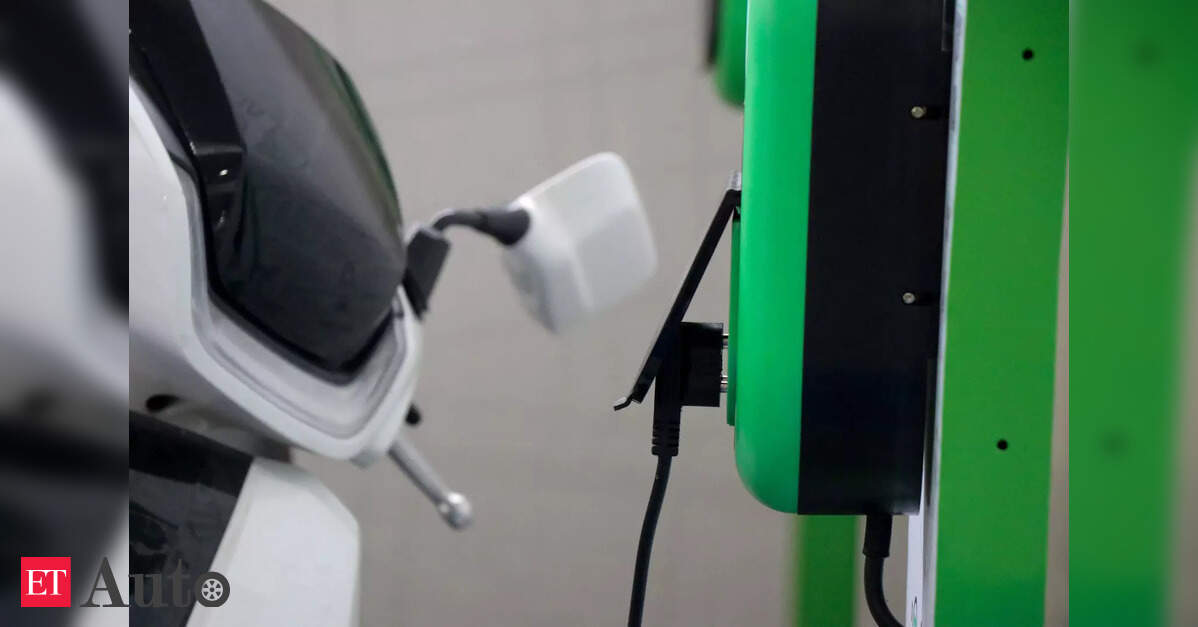
Running cost. An electric scooter costs roughly 20–25 paise per km to run. A petrol scooter? ₹2.50–₹3. That's a 10× gap.
Charging infrastructure. Public chargers are still uneven, but home charging plus growing highway networks have made daily-use EVs realistic in Tier-1 and Tier-2 cities.
Resale awareness. Used EVs are starting to appear on the second-hand market, and buyers are learning to evaluate them on battery health, not just odometer reading.
For buyers, the smart play is to compare across new models, used EVs and traditional petrol/diesel options before committing. Lifenavi's cars section for India lists both new and pre-owned vehicles from individual sellers and dealers — useful when you want to see what an electric SUV actually trades hands for in your city versus its on-road sticker price.
A few practical buyer notes:
Check the battery warranty terms — most manufacturers cover 8 years or 1.6 lakh km.
Factor in a home charger installation (₹3,000–₹50,000 depending on capacity).
Look at total cost of ownership over 5 years, not just the showroom price.

Metro and public transport: the silent giant
Metros don't make headlines the way EV launches do, but they move far more people. Delhi Metro alone carries more passengers in a day than every EV sold in India in a quarter.
Why this matters for fuel savings:
Every metro trip is a car or two-wheeler trip avoided.
Feeder buses and last-mile electric autos are extending metro range into neighbourhoods that previously had no public-transport option.
Monthly metro passes work out cheaper than two tanks of petrol for most office-goers.
The policy ambition is to make metro + last-mile EV + occasional carpool the default urban stack — keeping private cars for weekend and family use.
What this means for you
Whether you're a commuter, a car owner, a fleet operator or someone planning to sell their current vehicle, the direction is clear:
Commuters: combine metro + carpool for daily travel; reserve your car for trips it's actually needed for.
Buyers: factor running cost into vehicle decisions, not just purchase price — that's where the EV math wins.
Sellers: demand for fuel-efficient used cars and EVs is growing; well-maintained, well-documented vehicles will price better.
Service providers: carpool drivers, EV charging installers, fleet managers and transport businesses have a clear demand tailwind.
Rising fuel prices in India are uncomfortable. But they're also forcing a transport system that's cleaner, cheaper to run, and less dependent on imports — one shared ride, one EV, one metro trip at a time.