In a world captivated by youth and beauty, the quest to age gracefully has become both a cultural obsession and a scientific endeavor. While anti-aging creams and serums promise smooth skin and fewer wrinkles, true graceful aging goes far deeper than what can be applied to the surface. The real science of aging gracefully lies in how we care for our entire being — body, mind, and cells.
Understanding Aging at the Cellular Level
Aging is a natural biological process characterized by the gradual decline of physiological function and increased vulnerability to disease. At the cellular level, several mechanisms drive this process:
Telomere Shortening: Telomeres are protective caps at the ends of chromosomes. Each time a cell divides, telomeres shorten, eventually leading to cell death or dysfunction.
Oxidative Stress: Free radicals — unstable molecules produced by metabolic processes — can damage cells and DNA if not neutralized by antioxidants.
Inflammation: Chronic low-grade inflammation, often called "inflammaging," accelerates tissue damage and is linked to age-related diseases.
Mitochondrial Dysfunction: Mitochondria, the cell’s energy factories, become less efficient with age, leading to decreased energy and increased cellular damage.
Slowing or mitigating these processes is key to aging gracefully — and this goes far beyond cosmetics.
1. Nutrition: Fuel for Longevity
Your diet is one of the most powerful tools for graceful aging.
Antioxidant-rich foods like berries, leafy greens, nuts, and dark chocolate help neutralize free radicals.
Omega-3 fatty acids found in fatty fish, flaxseeds, and walnuts reduce inflammation and support heart and brain health.
Intermittent fasting and calorie restriction have shown promise in extending lifespan by reducing oxidative stress and enhancing cellular repair processes like autophagy.
What you eat doesn’t just affect your waistline — it shapes how your cells age.
2. Movement: Exercise as Cellular Therapy
Exercise is often touted for its physical benefits, but its anti-aging effects run much deeper.
Regular aerobic activity increases blood flow, delivering oxygen and nutrients to tissues and helping maintain skin health.
Resistance training maintains muscle mass, which naturally declines with age, and helps regulate blood sugar and metabolism.
Exercise boosts the production of brain-derived neurotrophic factor (BDNF), which supports cognitive function and mental health as we age.
Staying active also combats mitochondrial decline and keeps cells more resilient.
3. Sleep: The Body’s Natural Repair Mode
During deep sleep, the body undergoes repair and regeneration.
The brain clears out toxic waste via the glymphatic system, reducing the risk of neurodegenerative diseases.
Growth hormone, which supports tissue repair and muscle development, is released during sleep.
Poor sleep is directly linked to accelerated aging, weight gain, and weakened immunity.
Aim for 7–9 hours of quality sleep each night to let your body perform its most vital restorative functions.
4. Stress Management: Calm Is the New Youth
Chronic stress accelerates cellular aging through increased cortisol levels and inflammation.
Mindfulness practices like meditation, yoga, and deep breathing reduce stress hormones and promote parasympathetic nervous system activation.
Social connections also play a key role. Positive relationships and emotional support are associated with longer telomeres and improved longevity.
Managing stress isn’t just about feeling better in the moment — it’s a long-term investment in your biological youth.
5. Cognitive Engagement: Keeping the Brain Sharp
Mental stimulation promotes neuroplasticity — the brain’s ability to reorganize and form new connections.
Lifelong learning, puzzles, reading, and creative activities keep the mind agile.
Bilingualism, playing musical instruments, and even video games have been shown to delay cognitive decline.
An engaged brain is a youthful brain.
6. Skincare as a Supportive Strategy, Not a Solution
While topical treatments like retinoids, peptides, and vitamin C serums can improve skin texture and appearance, they’re just one piece of the puzzle.
Skincare should be seen as maintenance, not magic.
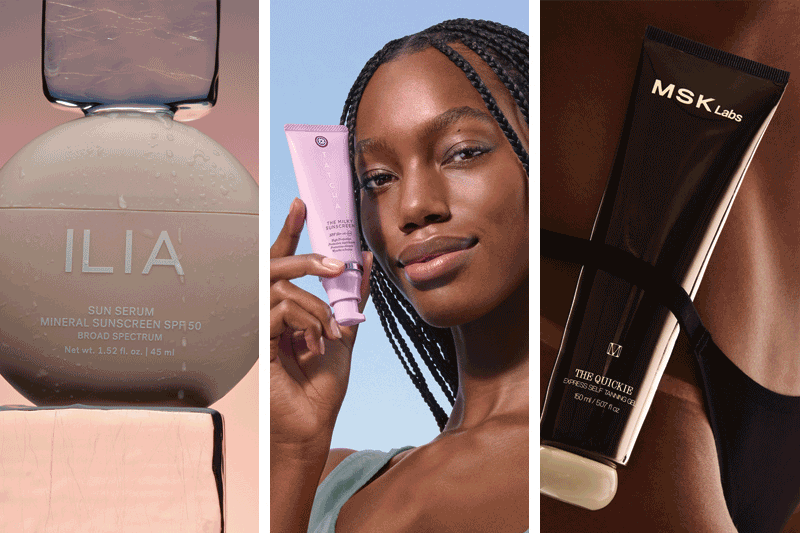
Protecting skin from UV damage with sunscreen is arguably the most effective anti-aging strategy available over-the-counter.
Hydration, barrier repair, and consistent cleansing are foundational — no matter your age.
Remember: glowing skin reflects internal health as much as external care.
Aging gracefully isn’t about denying aging — it’s about embracing it with vitality, resilience, and intention. The real fountain of youth lies in how we eat, move, sleep, think, and connect. While the beauty industry may sell youth in a bottle, science teaches us that the path to a long, healthy life is built from within.
So the next time you reach for an anti-aging cream, consider reaching first for a glass of water, a good book, or a walk in the sun. Because graceful aging isn’t about stopping time — it’s about making the most of it.